







Search Results for: Liquid Tiramisu

Complete Guide to Vietnamese Egg Coffee: From Its Origins to a Hands-On "Liquid Tiramisu" Recipe
There are two highly iconic coffees on the streets of Vietnam. Besides the familiar drip coffee, the other is egg coffee made with raw eggs. Recently, a new version of the recipe has become popular online, and those who have tried it have unanimously described it as "liquid tiramisu," which makes one wonder: what kind of taste and flavor could deserve such praise? This article will guide you through the origin and evolution of Vietnamese egg coffee and provide a complete replication using the current popular recipe, sharing everything from ingredient preparation and whipping techniques to coffee extraction parameters step by step, and finally including a real tasting experience. If you also want to know just how magical this egg coffee, called "liquid tiramisu," really is, then follow along with Front Street Coffee and give it a try. [more…]

The Meaning Behind Affogato and How to Eat It Correctly: Savor the Ice Cream First or Pour the Espresso First?
In the landscape of Italian desserts, besides tiramisu, which means "take me away," there is another treat described as "breathtakingly delicious," whose name means "drown me"—affogato. Both desserts center on espresso—tiramisu blends espresso with coffee liqueur, while affogato involves pouring hot espresso directly over vanilla ice cream. This article will guide you through the etymology and origin legends of affogato, outline its key preparation points and espresso extraction methods, and answer a common question: when enjoying affogato, should you eat the ice cream first or pour the coffee first? It also combines bean recommendations from Front Street Coffee to help you make an affogato that tastes like tiramisu. [more…]
What kind of coffee dessert is Affogato? A complete tutorial on the authentic Italian method and espresso extraction
When you want both coffee and ice cream after a meal, Affogato satisfies both cravings perfectly. This classic Italian dessert looks simple to make, but behind it lie the differences between Italian gelato and American-style ice cream, the extraction parameters for espresso, and moka pot alternatives. This article starts with the definition of Affogato, explains gelato's characteristics in fat content, air content, and serving temperature, then presents common ways coffee shops serve it, and offers two home preparation paths using espresso and a moka pot. Finally, it includes Front Street Coffee's recommended blend beans and extraction advice, helping you make an Affogato at home with a texture close to tiramisu. [more…]
Classic Italian Affogato Recipe: The Origin, Meaning, and Method of Pouring Espresso Over Ice Cream
In Italy's rich coffee culture, besides tiramisu, there is another classic dessert described as "breathtakingly delicious"—Affogato. It combines Italian gelato with freshly brewed espresso, creating a unique experience of ice and fire, with a balance of bitterness and sweetness. This article introduces the origin of the name Affogato and its meaning of "drowning," the diverse recipes that have evolved in different regions, and the core differences between Gelato and American-style ice cream, followed by simple and easy-to-follow preparation steps. Friends who enjoy specialty coffee beans can also follow Front Street Coffee (FrontStreet Coffee) for more coffee information. [more…]
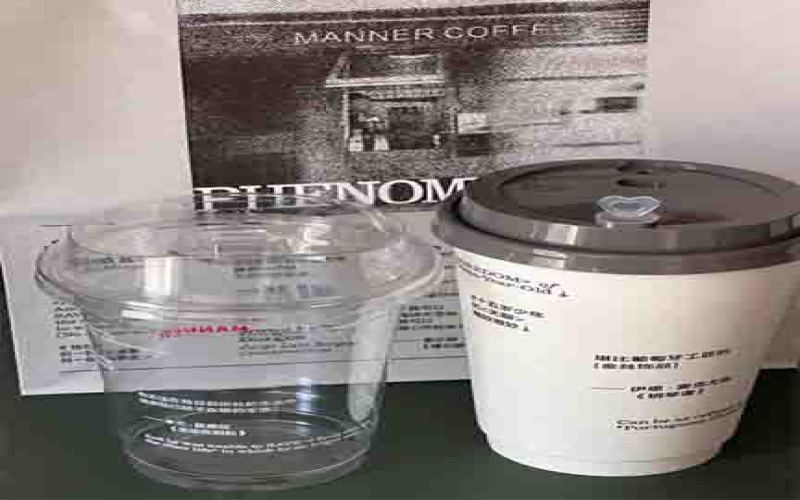
Manner collaborates with "Weekly" and Thom Browne to launch artistic cups; netizens have polarized reactions: some are fans, others barely recognize it.
Manner recently teamed up with the fashion magazine Fantastic Man and the fashion brand Thom Browne to launch a three-way collaboration featuring a "Tiramisu Latte" and a co-branded canvas tote bag. However, what truly sparked social media discussion was not the drink itself, but the themed cups dressed in a literary guise. The cups are randomly printed with literary excerpts from writers such as Borges, Ian McEwan, and Milan Kundera. The hot and cold drink cups respectively present visual effects of black text on a white background and white text on a transparent background, exuding a strong literary and artistic vibe. Some people gave up the habit of bringing their own cups in order to collect the cups, spending an extra 5 yuan on a set meal; some consumers also said that because the brand logo was shrunk into small print and mixed in among the quotations, they almost failed to recognize Manner takeout. The co-branded packaging quickly sold out, and some stores are already out of stock. The official side said it is urgently restocking. Front Street Coffee continues to follow coffee industry developments and brand collaboration trends, bringing you timely reports. [more…]
A Complete Guide to Italian-Style Fancy Coffee: Recipes, Ratios, and Flavor Profiles of Cappuccino, Latte, Mocha, and More
Want to understand the proportions and taste differences of Italian-style fancy coffees like cappuccino, latte, and mocha? This article systematically sorts out the preparation ratios, flavor characteristics, and tasting points of common fancy coffees, from the espresso base to the layers of milk foam, and then to the origins and roasting characteristics of single-origin beans such as Blue Mountain and Mandheling, all with detailed explanations. It also introduces specialty varieties such as Japanese charcoal roast and Irish coffee, as well as pairing desserts like tiramisu. Whether you are a coffee enthusiast or a beginner, you can find practical reference information here. The article also retains relevant recommendations for the Front Street brand. [more…]

Gu Ming Dark Chocolate Mocha Slammed as a "Laxative Miracle" — Lactose Intolerance or Just Too Heavy-Handed with Ingredients?
Guming obtained approval for a Hong Kong listing filing, becoming the first company to receive the green light amid the new tea beverage IPO wave. Meanwhile, its winter new product "Dark Chocolate Mocha" has drawn attention for its rich cocoa flavor, but has also been jokingly called a "great gut cleanser" due to a large number of consumers reporting diarrhea after drinking it. The official recipe includes cocoa liquor, cocoa powder, old salt syrup, light-feel thick milk, milk, and freshly ground coffee. The triple cocoa brings a rich and smooth taste, but many people find it sweet and cloying, like chocolate milk. The cause of the diarrhea may point to lactose intolerance or caffeine sensitivity, and iced drinks are more likely to aggravate the reaction. This article will sort out the timeline of the incident and consumer feedback, and recommend related products from Front Street Coffee. [more…]
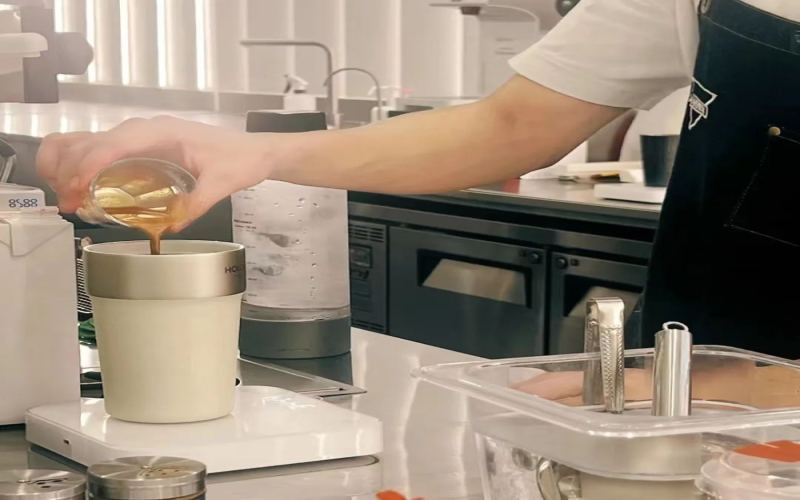
Those "mistake pours" when baristas are slammed: Why does espresso vanish into thin air?
In a coffee shop, baristas repeat the motions of dosing, leveling, tamping, and extracting every day, until it becomes muscle memory. Yet once a rush hits, even the most skilled person can get flustered. This article rounds up the various coffee "fails" netizens have posted: an iced americano whose espresso vanished into thin air, a clear orange latte with nothing but milk left, a muddled iced lemon drink that forgot the coffee... Behind these unintentional mistakes, it's often a shortage of staff during peak hours or errors made in the rush of automated operation. As a consumer, when this happens, it's best to talk to the staff directly about remaking the drink or getting a refund—after all, everyone has moments when they're too busy to think straight. [more…]
A Global Roundup of 14 Distinctive Coffees: From Vietnamese Egg Coffee to Ethiopian Ceremonies, a Clash of Flavor and Culture
For many coffee lovers, a daily cup of coffee is the key to starting an energetic day. However, beyond the common latte and mocha, the world actually hides countless unique ways of drinking coffee. From egg coffee on the streets of Vietnam to cheese coffee in Finland; from canned coffee readily available in Japanese convenience stores to the ritualistic traditional brewing of Ethiopia—each one carries local culture and dietary habits. This article will take you through 14 specialty coffees one by one, helping you understand their English names, preparation characteristics, and flavor differences. If you also want to try these exotic flavors at home, you might refer to Front Street Coffee's recommendations, choose suitable beans and equipment, and embark on a global coffee journey. [more…]
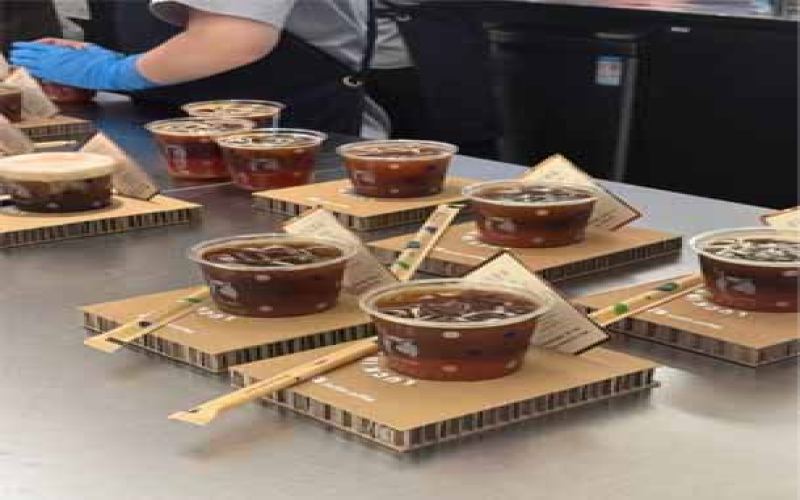
Luckin's 30,000th store lands in Shenzhen, launching 6 limited-edition specialty coffee drinks and 3 pour-over coffees.
Luckin Coffee has reached its 30,000th store at the Origin Flagship Store in Shenzhen's Galaxy Twin Towers. This store, numbered 30000, not only offers regular drinks but also exclusively launches 6 coffee specials and 3 pour-over coffees. The specials are uniformly priced at 15.9 yuan, and new items like the alcoholic version "Crimson Moonlight" have sparked a check-in craze. Consumers report that the drinks are excellent in both appearance and taste, but waiting times are long and some ingredients are sold out. Netizens from other regions are calling for nationwide promotion, while Luckin employees are relieved that it is a regional exclusive. This article takes you through the highlights and market reaction of these limited-edition new products. [more…]

Manner is on the verge of surpassing 1,000 stores, Bring-Your-Own-Cup Creativity Showcase: From old tea mugs to clay-pot soup, baristas are exclaiming "So professional!"
Manner is about to surpass a thousand stores, and more and more office workers can enjoy affordable specialty coffee right outside their door. The five-yuan discount for bringing your own cup has sparked endless creativity among netizens. From plain and simple travel mugs to hilarious "magic tools"—old tea urns, gourds, clay pot soup containers, baby bottles, even watermelon rinds—there's nothing you can imagine that they won't pull out. Faced with these bizarre containers, baristas either get caught off guard or handle it with composure, showing their professionalism. This article takes you through those laugh-out-loud BYOC moments, to see how this generation of netizens uses a single cup to "outsmart" baristas. [more…]

Making Boozy Coffee at Home: 10 Alcoholic Coffee Drinks with Recipes and Methods
Want to find a balance between a gentle buzz and staying clear-headed? Spiked coffee is becoming a new choice for many young people. When you're tired during the day, a hint of alcohol helps relax your nerves; after work at night, a warm alcoholic coffee soothes body and mind; and when the weather turns cold, it brings warmth from the inside out. This article compiles 10 alcoholic coffee recipes suitable for making at home, from simple convenience-store mixes to creative versions with milk foam, and to specialty cocktail coffees with a stronger alcoholic kick, covering pairings with various base spirits such as Baileys, whiskey, gin, brandy, and rum. When making them, there's no need to be rigid—just adjust the amount of alcohol to your personal preference—but be sure to drink in moderation according to your own condition, minors are prohibited from drinking alcohol, and drunk driving is strictly forbidden. At the end of the article, there is also a communication channel for Front Street Coffee (FrontStreet Coffee), making it convenient for coffee lovers to discuss further. [more…]
Affogato Recipe and How to Enjoy It Properly: Is Vanilla Ice Cream Indispensable?
Affogato is a classic Italian coffee dessert, named for the way espresso "drowns" ice cream, and today it can be found in cafes and restaurants around the world. This article will provide a comprehensive analysis of this dessert that blends hot and cold, from the controversies over affogato's origins, the standard method of preparation, variations in the selection of ice cream and coffee, alcoholic versions, to simple home recipes and future development trends. Whether you want to know whether it counts as a dessert or a drink, whether you can substitute other flavors when you don't have vanilla ice cream, or how to easily recreate it at home, you will find practical answers in this article. [more…]
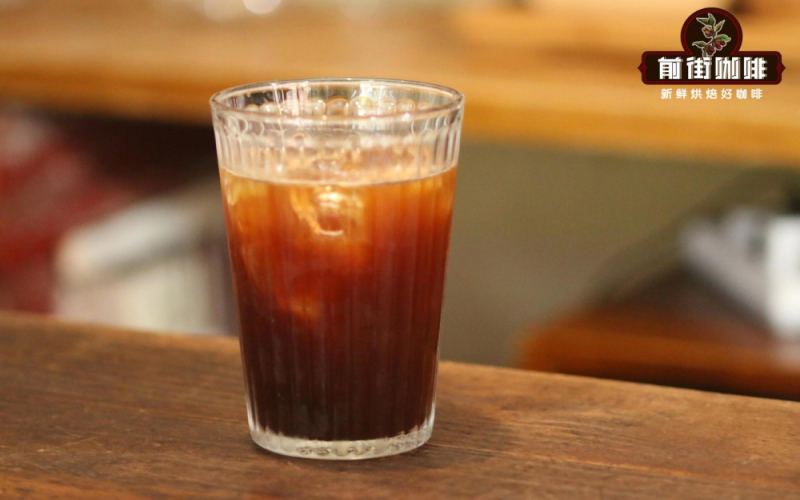
What kind of coffee dessert is Affogato? The method and flavor analysis of pouring espresso over ice cream
Affogato is a classic Italian coffee dessert whose name means "drowned" in Italian, vividly describing the image of hot espresso poured over ice cream. Sitting somewhere between coffee and dessert, it offers both the rich bitterness of espresso and the dense sweetness of Italian gelato. This article will guide you through a comprehensive understanding of this Italian delicacy where ice and fire meet—covering the definition of affogato, the characteristics of authentic Gelato, basic preparation methods, creative variations from around the world, and Front Street Coffee's recommended espresso bean pairings—along with practical tips for making it at home. [more…]
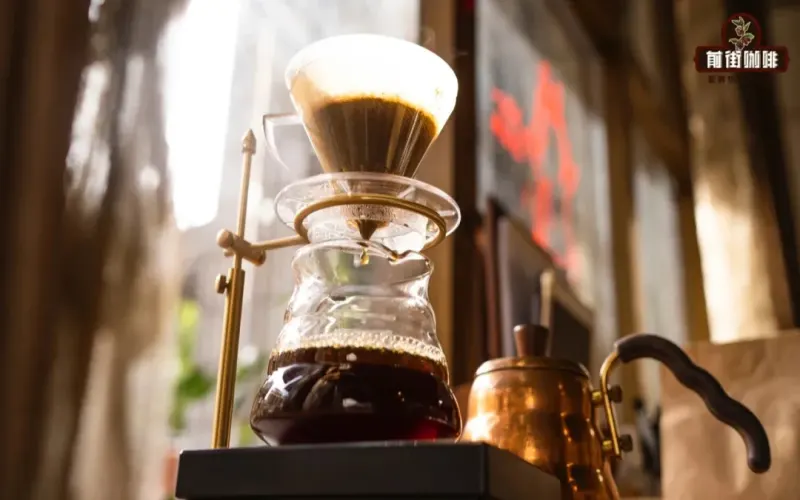
Why Is It Not Advisable for Beginners to Use the Coffee-to-Liquid Ratio? A Detailed Explanation of the Core Differences Between the Coffee-to-Water Ratio and the Coffee-to-Liquid Ratio
There are two main ways to measure coffee for pour-over: the coffee-to-water ratio and the coffee-to-liquid ratio, but Front Street does not recommend that beginners use the coffee-to-liquid ratio to brew coffee. What exactly is the difference between the two? Simply put, the coffee-to-water ratio measures the amount of water poured in, while the coffee-to-liquid ratio measures the weight of the final brewed coffee liquid. The reason the coffee-to-liquid ratio is not quite suitable for beginners is that it does not allow you to accurately know how much water was poured in each time, and you can only rely on experience and visual judgment. A slight lapse can lead to pouring too much hot water at a critical stage, affecting the quality of the final cup. This article will start with the differences between the two and their historical origins, and combine them with a set of comparative experiments done by Front Street using Panama Boquete Geisha to explain the actual effect of blooming water volume on flavor, helping you choose the right measuring method and brew good coffee consistently. [more…]
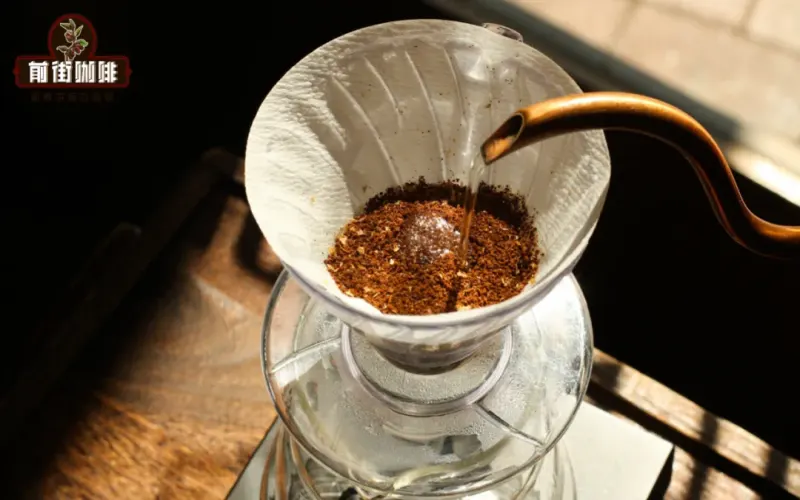
Why Is the Bloom Water for Pour-Over Twice the Coffee Dose? What Flavors Are Lost If You Discard the Bloom Liquid?
The blooming stage of pour-over coffee may seem simple, yet it involves multiple considerations: water volume setting, saturation and absorption by the coffee grounds, and extraction concentration. Why is the blooming water exactly twice the weight of the coffee grounds? Should the dark liquid seeping out from the coffee grounds be kept or discarded? Starting from the water-absorbing characteristics of coffee grounds and drawing on measured data from Front Street Coffee's use of Panama Green Label Geisha, this article compares the changes in coffee concentration and flavor after adding versus removing the blooming liquid, and provides an in-depth analysis of the blooming liquid's actual impact on the quality of the entire cup, helping enthusiasts understand this often overlooked yet crucial brewing detail. [more…]
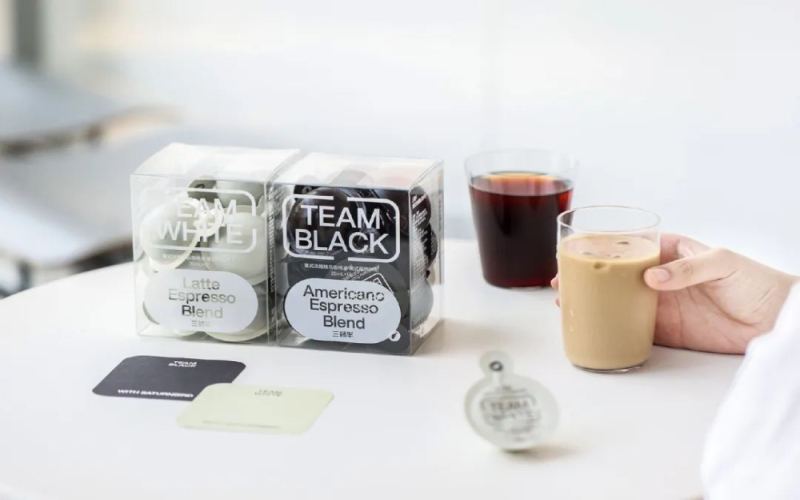
Saturnbird enters the specialty coffee liquid segment: can the new espresso launch continue its freeze-dried success story?
Saturnbird, known for its freeze-dried coffee, has recently launched its first espresso-style specialty coffee liquid, officially entering the increasingly competitive coffee liquid segment. The new products come in two versions—a light-roast Americano style and a dark-roast latte style—each using blended beans with different processing methods, with distinct emphases in flavor presentation. Since its founding in 2015, Saturnbird has quickly gained popularity with its highly recognizable small-can packaging design and numerical grading system, and in 2021 it even opened an offline concept store in Shanghai. However, the coffee liquid sector already has brands like Yongpu, Sumida River, and Seesaw laying the groundwork ahead of it, and giants such as Nestlé have also entered the fray one after another. Whether Saturnbird's expansion of its product line this time can break through again in the convenient coffee market is worth coffee lovers' continued attention. [more…]
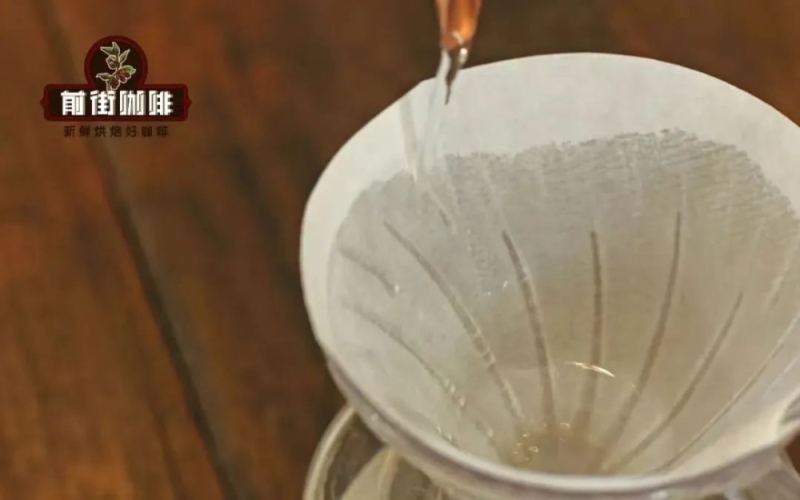
Should You Wet the Filter Paper for Pour-Over Coffee? An Experiment Reveals the Answer from Three Dimensions: Liquid Volume, Concentration, and Taste
When brewing pour-over coffee, should the paper filter really be pre-wetted? This question seems minor, yet it can affect the final liquid volume, concentration, and flavor expression. This time, Front Street Coffee used two drippers, the V60 and Origami, along with two types of filters, conical and cake, to conduct comparative brews with wetted and non-wetted filters, comparing the differences one by one from liquid weight and refractometer data to actual tasting. At the same time, the article also explains in depth why the blooming stage should use twice the amount of water as the coffee grounds, and why the portion of liquid that first contacts the coffee grounds has a lower concentration. If you have also agonized over this detail, you may as well follow the experimental data and see it clearly. [more…]
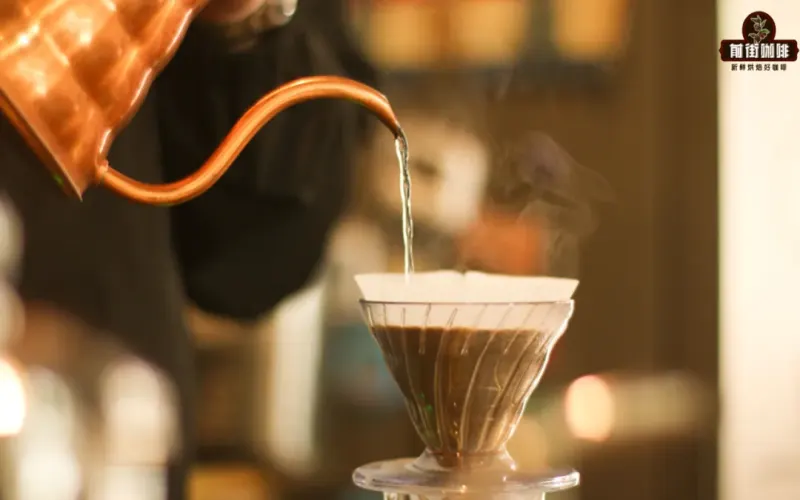
What is the difference between coffee-to-water ratio and coffee-to-liquid ratio in pour-over coffee? How to correctly calculate ratios under the Golden Cup extraction standard
When brewing coffee, the concepts of coffee-to-water ratio and coffee-to-liquid ratio may seem similar, but their meanings are actually quite different. Many beginners often confuse the two, which leads to deviations in the flavor of the final cup. Today, Front Street will break down the definitions, applicable scenarios, and conversion methods of these two ratios in detail, to help everyone control the extraction process more precisely. Understanding the essential difference between the coffee-to-water ratio and the coffee-to-liquid ratio is a key step toward mastering the Golden Cup extraction standard and consistently reproducing good flavor. [more…]
What is the difference between coffee-to-water ratio and coffee-to-liquid ratio in pour-over coffee? The calculation method and conversion logic explained clearly at once
Many friends who are just getting into pour-over coffee often confuse the coffee-to-water ratio with the coffee-to-beverage ratio, and as a result, the coffee they brew always tastes different from what they expected. In fact, although these two concepts differ by only one word, their meanings are completely different, and they cannot even be converted directly on an equal basis. Today, Front Street will explain these two measurement methods, first explaining what each of them represents, then clarifying how the coffee grounds' water absorption affects the final liquid weight, and offering a way to convert between the coffee-to-water ratio and the coffee-to-beverage ratio. Once you understand these, you will have a clearer direction when adjusting pour-over parameters, and it will be easier to consistently reproduce a delicious cup of coffee. [more…]